Huis Marseille presents a premiere of Adolphe de Meyer’s rediscovered collection of photographs of Venice.
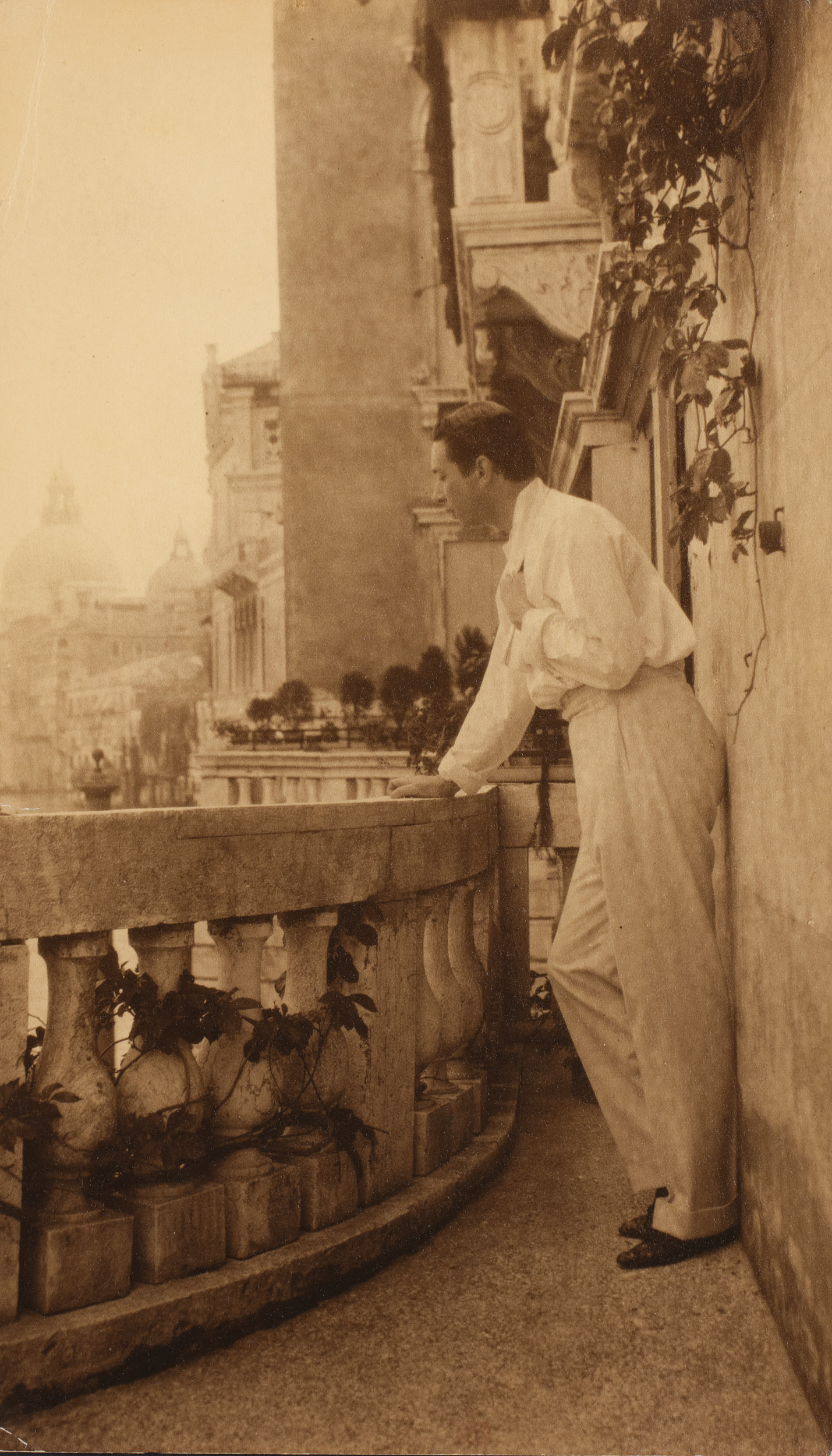
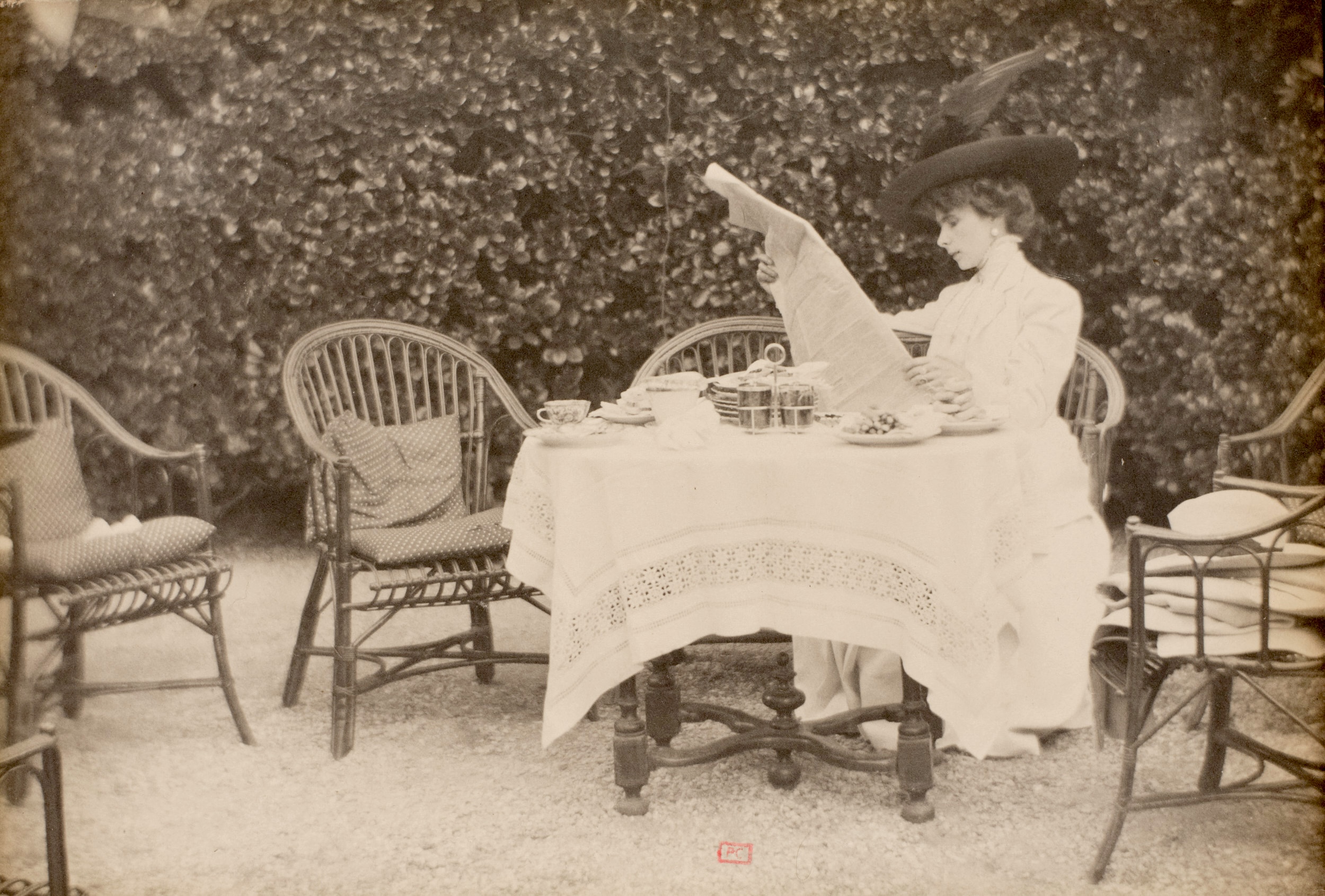
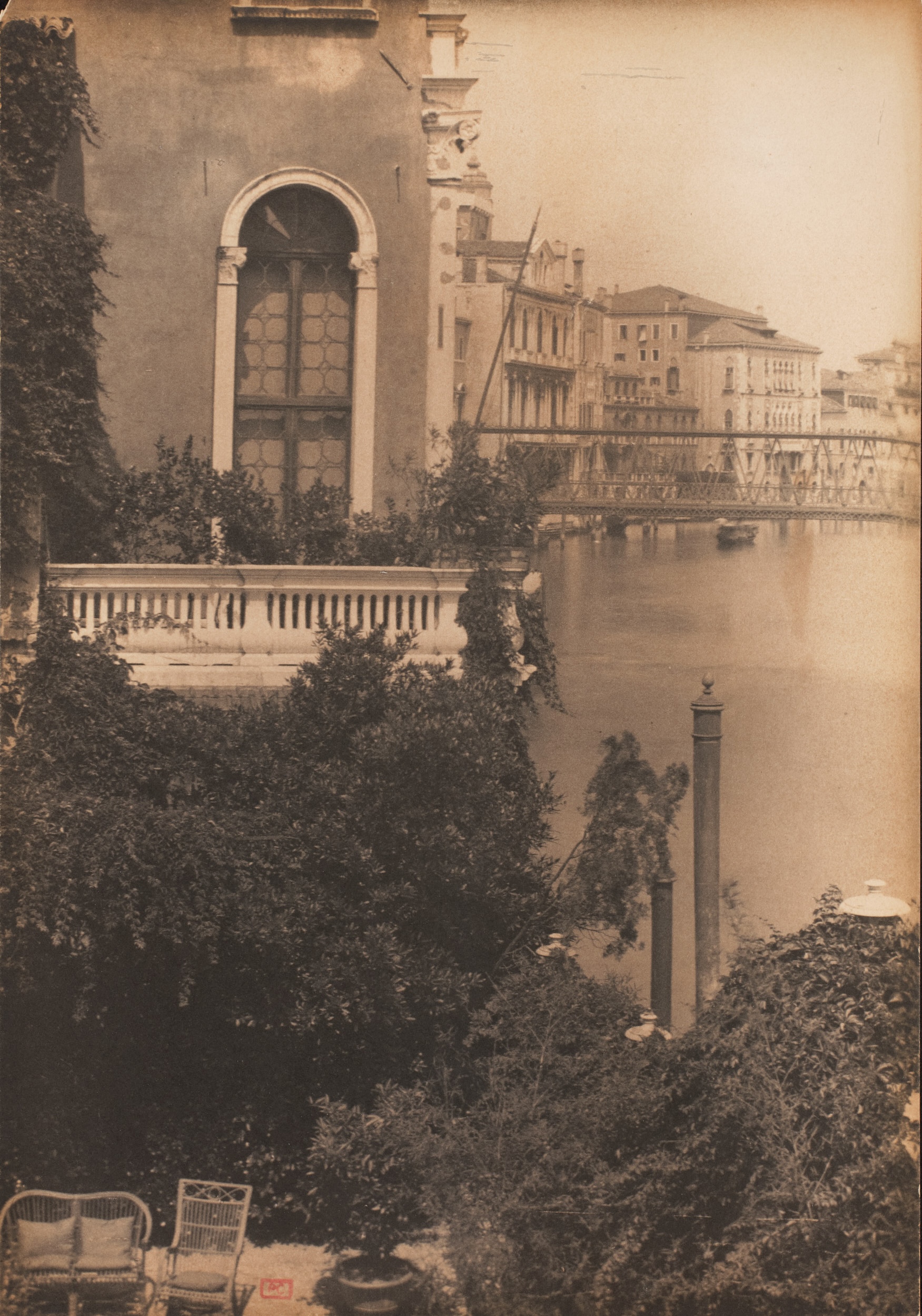
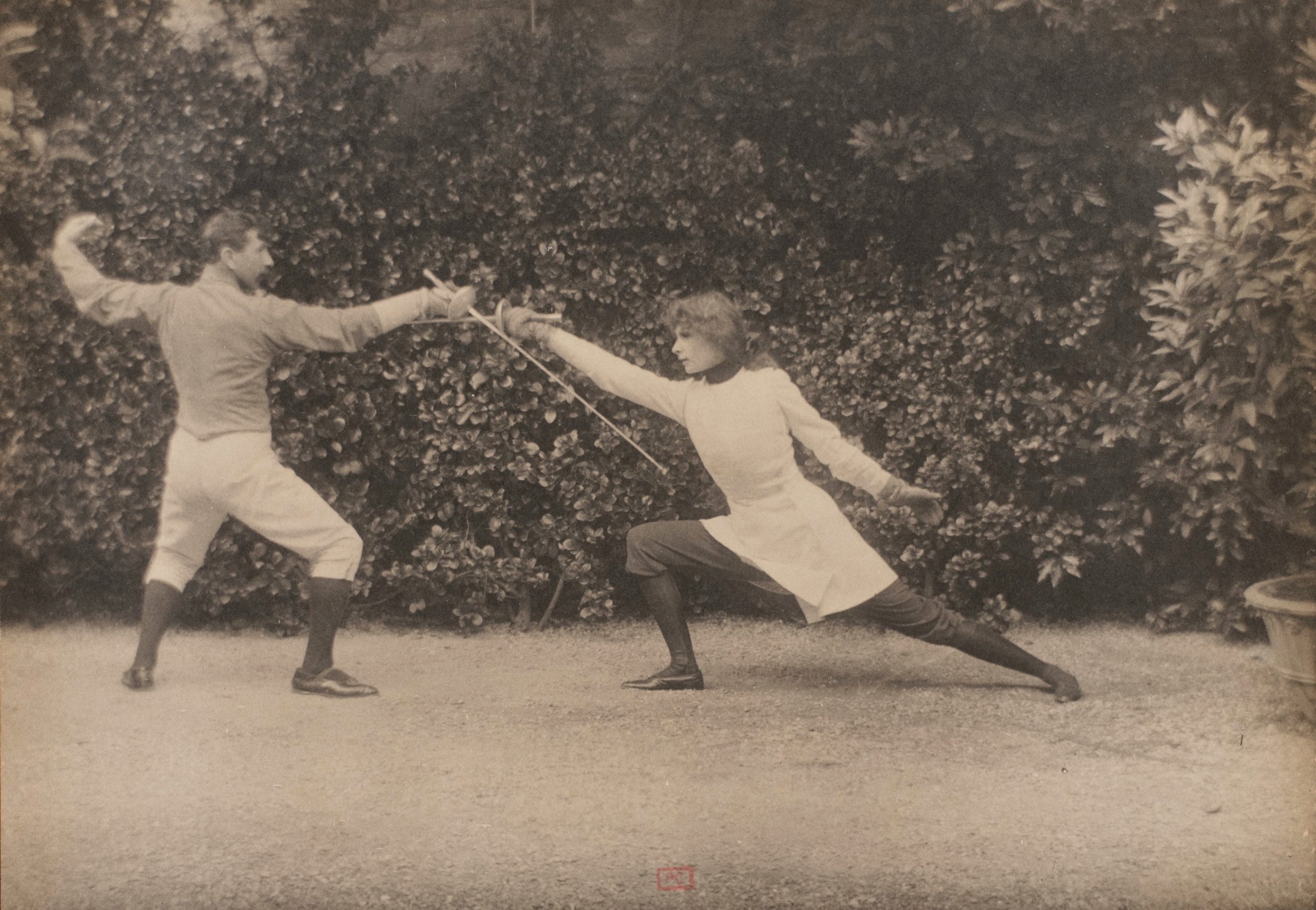
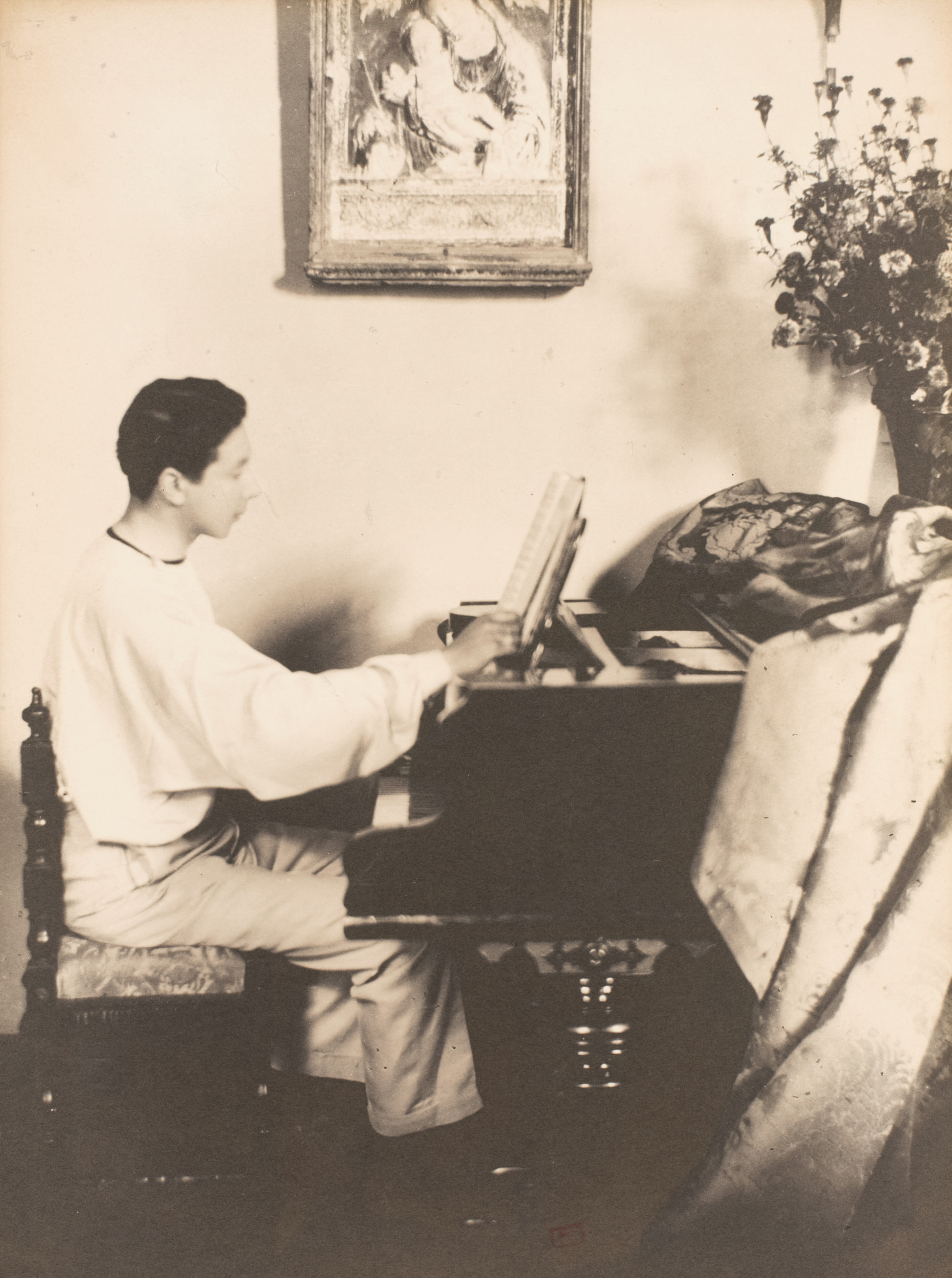
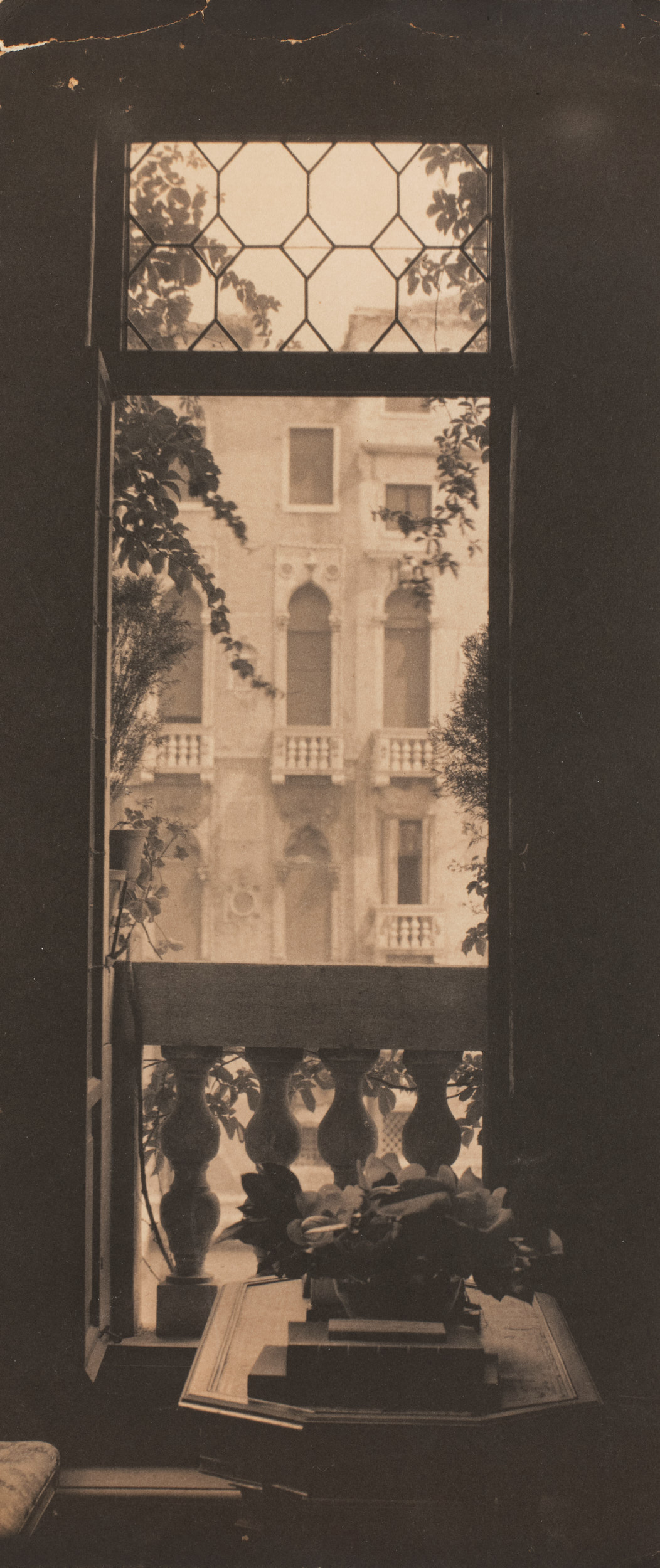
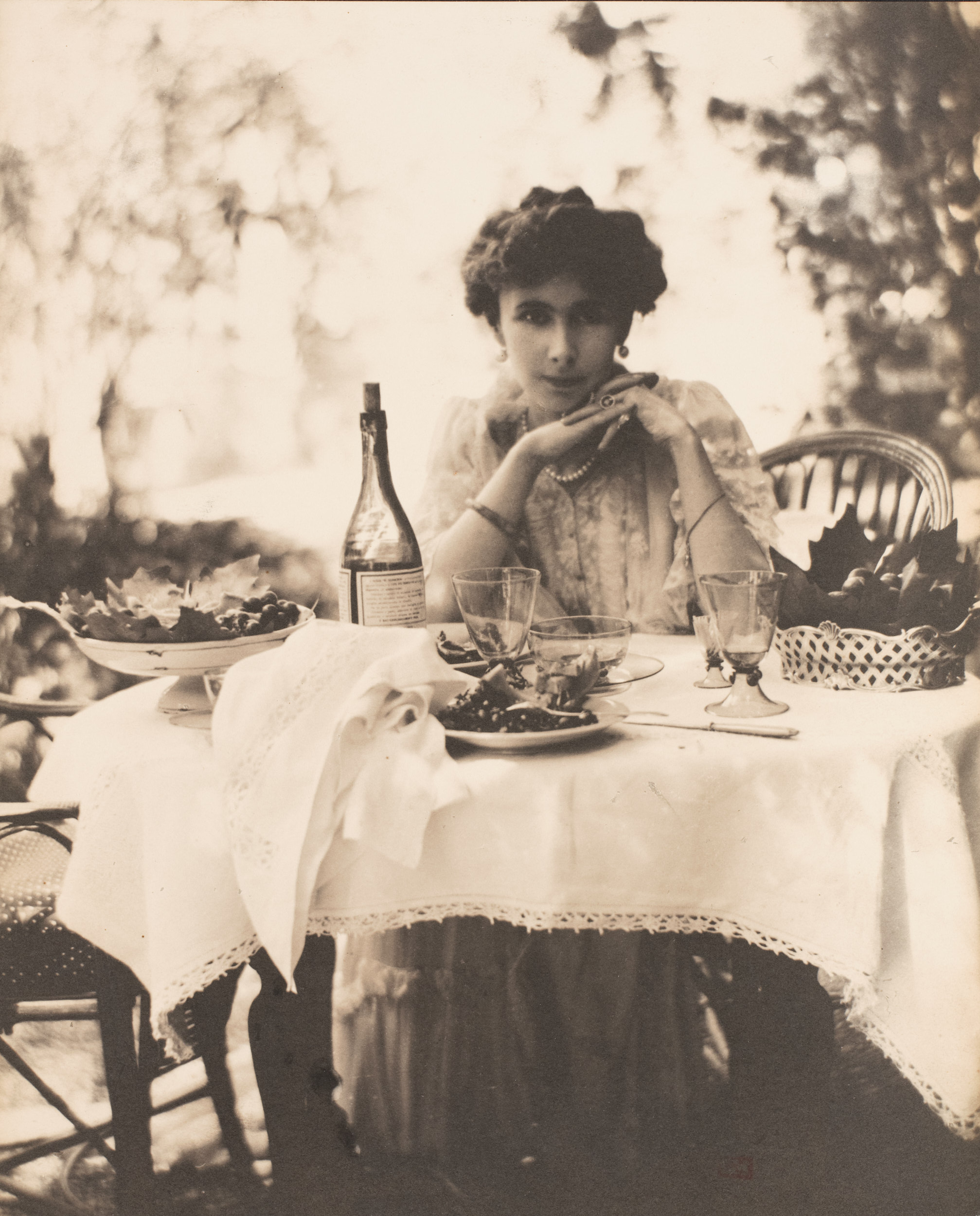
The Substance of a Venetian Dream is the first ever European museum exhibition devoted to the photographer Adolphe de Meyer (1868–1946). This follows the remarkable discovery in 2019 in the municipal library of Tours: a series of 75 photographs documenting his life and photographic work in Venice. This collection is being displayed in its entirety for the first time, and offers an exceptional glimpse into his personal and artistic world.
A pioneer of fashion photography
Adolphe de Meyer was born in Paris in 1868 and enjoyed a fascinating and ground-breaking career in both Europe and the United States. Historians recognise him today principally as a pictorialist photographer (a movement that approached photography as an art form), as a virtuoso portraitist, and above all as a fashion photographer. He was one of the first to elevate fashion photography to artistic heights, creating elegant images for the pages of Vogue, Vanity Fair and Harper’s Bazaar. It is less well known that he was also an interior decorator, designer, art collector, journalist and writer. He turned his whole life into a work of art, in which photography, clothing, interiors and stagings expressed a coherent artistic vision: that of a man continuously reinventing himself and his surroundings.
Globetrotter
His travels were a constant and invaluable source of inspiration, usually in the company of his wife and creative partner Olga. Japan was an early love, followed by China, India and South America. De Meyer made the world his field of experimentation, and he also proved able to apply the meticulous precision of his studio to the photographic work done outside his atelier. Despite a remarkably successful and influential career he was almost unknown when he died in Los Angeles in 1946.
A Venetian dream
Venice had a special place in his heart. Between 1904 and 1908/09 Adolphe and Olga rented the Palazzo Balbi-Valier, an opulent 17th-century palace surrounded by gardens, that De Meyer transformed from a dilapidated building into a landmark attraction that was pointed out to tourists by tour guides and gondoliers. The Palazzo was a vibrant cultural centre, whose guests included the photographers Gertrude Käsebier and Frances Benjamin Johnston and the art collector Isabella Gardner; De Meyer also invited Auguste Rodin to come and work there. Palazzo Balbi-Valier was first and foremost an extension of his studio, where he experimented with light, staging, and early colour photography, developing an aesthetic that would strongly influence his work and fashion vision.
Through eight different themes the exhibition explores his life, work, artistic network, and the many facets of his work, from fashion photography and interior design to art collection, as well as his special relationship with Olga. Visitors will have a rare opportunity to discover some of the secrets behind this ground-breaking fashion photographer, as well as the city that fired his imagination throughout his life.
The title of the exhibition is derived from an article that De Meyer published in Vogue in 1916, ‘The Substance of a Venetian Dream’, in which he reflects on his years in the city. A copy of this particular edition of Vogue, which Huis Marseille recently acquired, is also on show in the exhibition.
Olga: partner and myth
No woman played a more important role in De Meyer’s life and work than his wife Olga, born Donna Maria Beatrice Olga Alberta Caracciolo (1871–1931). She was one of the most charismatic and idiosyncratic women of her generation, who inspired artists such as John Singer Sargent, James McNeill Whistler and the writer Henry James. Their unconventional marriage, which lasted for more than three decades, was regarded by their contemporaries with fascination and admiration. Both were homosexual, and their union was considered a marriage of convenience: it offered social legitimacy and protection in an age when homosexuality was a social taboo. Olga constantly modelled for De Meyer’s camera, wore his designs, and co-organised the social and cultural events that cemented their reputations. Driven by creativity and self-invention they built a shared identity together, thereby creating a myth. De Meyer never fully recovered from Olga’s death in 1931: although he later sold a great deal of work, he always kept her portraits, and she continued to inspire him. She was a central figure in his writings, particularly in his unpublished autobiographical work of fiction Of Passion and Tenderness.
A remarkable discovery
In 2019, while conducting an inventory of the estate of local collector Paul Caron (1918–1988), Anaïs Arlot of the Bibliothèque municipale de Tours uncovered a collection of seventy-five photographs that appeared to be attributable to Adolphe de Meyer. Camille Mona Paysant, who had recently published a book on the artist’s travel photography, was subsequently invited to establish the photographs’ attribution and conduct a study of the corpus.
Publication
The exhibition is accompanied by a new book, Adolphe de Meyer. The Substance of a Venetian Dream, containing an article by Camille Mona Paysant, who also curated the exhibition in Huis Marseille. The publication was designed by Ernst Georg Kuehle (of Kuehle und Moser) in a bilingual (English/French) edition.
About the curator
Camille Mona Paysant is an art historian, author and curator specialising in the history of photography. She has devoted more than fifteen years to research into the life and work of Adolphe de Meyer, and has published the books Les photographies de voyage du Baron Adolphe de Meyer. L’oeil au repos: une rupture avec la tradition de l’image studio (Hermann, 2016) and Japan (Louis Vuitton, 2019) about his photography.